Timewaker
History
History shouldn't stay behind glass. Timewaker History transforms historical objects, discoveries and human stories into cinematic short films designed for modern audiences.
Explore The WorkFeatured Work
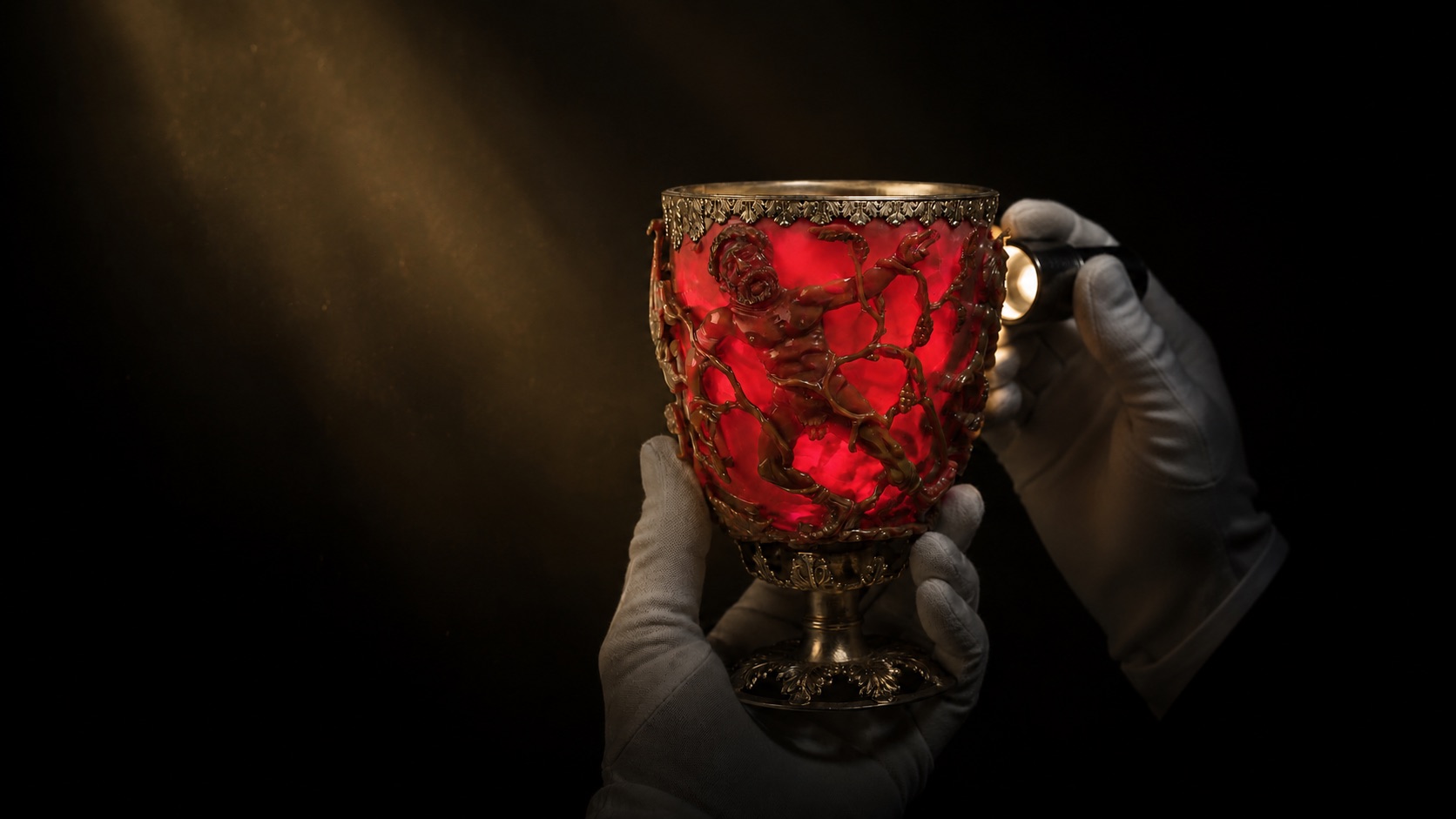
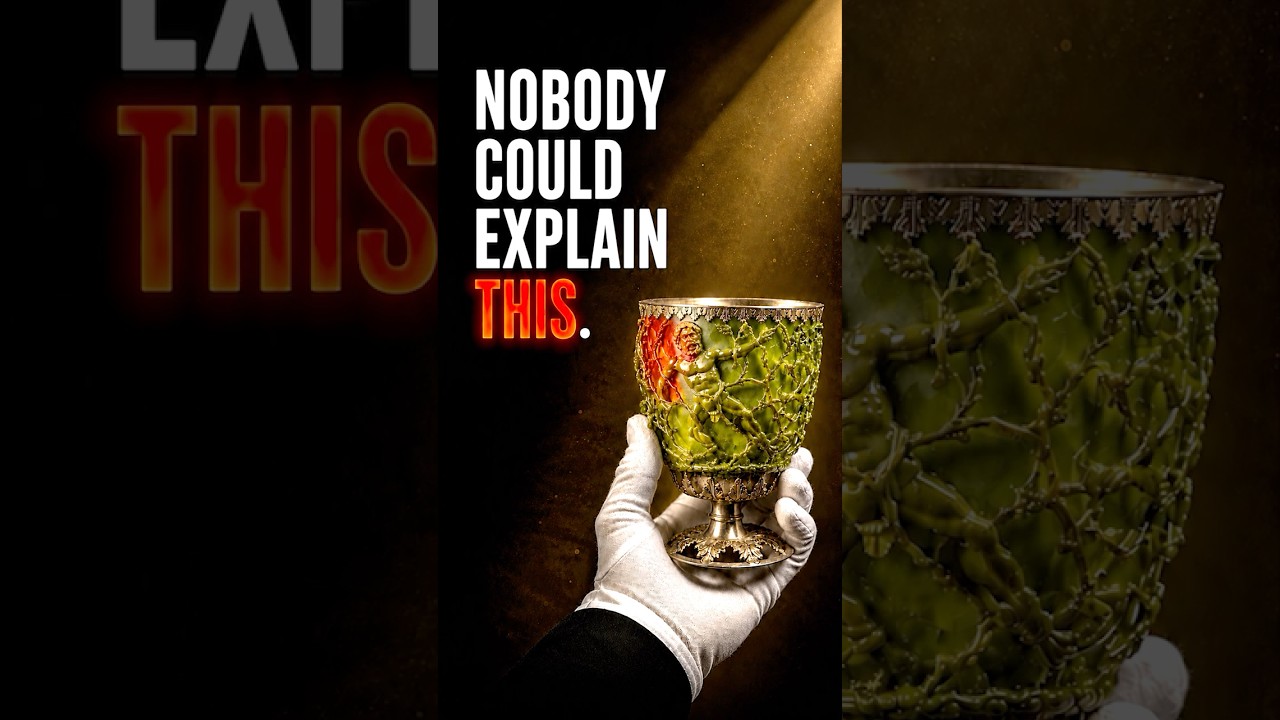
The Lycurgus Cup
A Roman cage cup carved from a single block of dichroic glass. The Lycurgus Cup appears jade green in reflected light and glows ruby red when lit from within — a colour-changing effect made possible by nanoparticles of gold and silver suspended in the glass itself.
AI-assisted production•Human-directed
AI-assisted · Human-directed
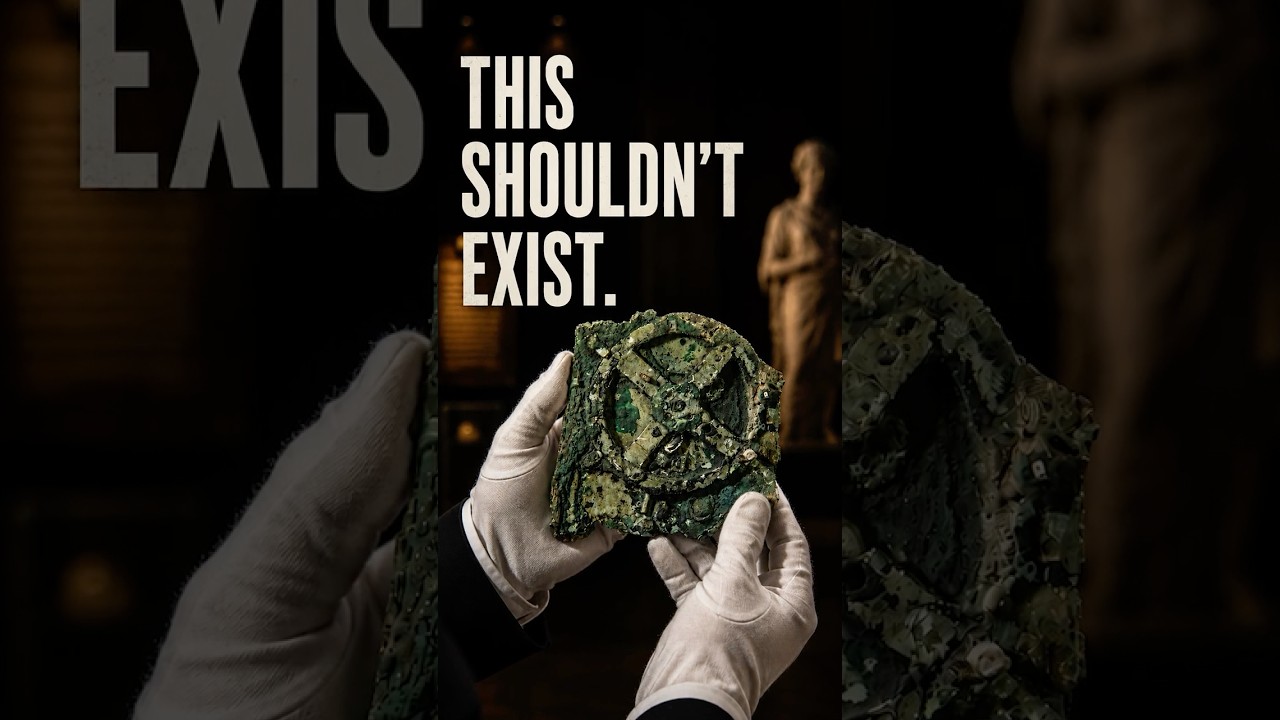
The Antikythera Mechanism
Recovered from a shipwreck off the Greek island of Antikythera, this intricate bronze mechanism used dozens of interlocking gears to model the movements of the sun and moon and predict eclipses — technology not matched again for over a thousand years.
AI-assisted production•Human-directed
AI-assisted · Human-directed
The Titanic Violin
The story of Wallace Hartley, bandmaster of the RMS Titanic, and the violin he is said to have played as the ship went down — a small object carrying an enormous human story.
AI-assisted production•Human-directed
AI-assisted · Human-directed


Meet Arthur
Every museum needs a curator. Ours happens to be virtual.
Arthur is the recurring host of Timewaker History: a warm, slightly eccentric British curator who guides viewers through extraordinary objects, discoveries and stories from the past.
More than a narrator, Arthur gives the series a consistent voice and personality, helping individual stories feel part of a larger world.
The Approach
From Object to Story
Each film begins by identifying what makes a historical subject extraordinary. Research and storytelling establish the narrative, while cinematic reconstruction, animation, editing, voice and sound transform it into an immersive short film.
- Research
- Story
- Creative Direction
- Historical Reconstruction
- Animation
- Voice & Sound
- Final Film
For Museums & Institutions
Every collection contains stories waiting to be told.
The same approach can transform an object from a museum collection, an archaeological discovery or a historical site into a cinematic story for social media, exhibitions and digital audiences. From a Roman artifact to a handwritten letter or an everyday personal possession, the starting point is always the same: find the human story hidden inside it.
Let's talk
Have a story worth bringing to life?
If you're a museum, cultural institution, heritage organization or brand with a story to tell, I'd love to hear about it.
Start a conversation